Temple of Devta Naag, the supreme deity of Pundar Valley is about 250 years old. Folklores say that Rana Paras Chand of Rathore clan, head of the erstwhile princely state of Jubbal, burnt down the old temple. They say that his father-in-law died and he announced a statewide mourning. This happened in the month of December when Pundris celebrated the festival of zaattar, where we sacrifice goats and sheep as an offering to Devta Naag. We do it even to this day. The official mourning dates coincided with the sacred festival. Pundris, otherwise loyal subjects of the Rana, went ahead and celebrated zaattar. Devta Naag is above any ruler, any king for us. When Paras Chand came to know, he was furious. His close aides flamed his anger to the extent that he decided to attack Pundar, his own land and people. He decided to burn down the temple which people revered more than him. It was unbearable for the feudal lord that his subjects would defy his orders in the name of a pagan god.
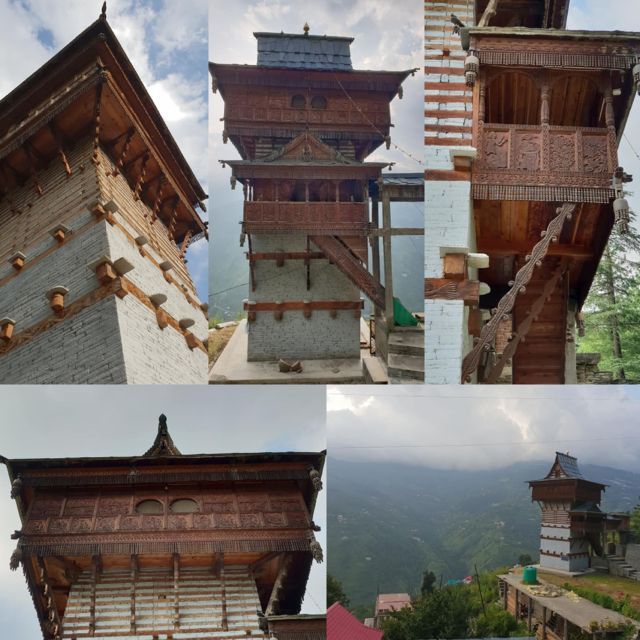
Pundris were peasants who rarely fought battles except for minor skirmishes with wayward neighbours. Facing the army of their own ruler was out of question. The Rana came prepared. He sent a party to go ahead and set fire to the temple while he watches from a highpoint. They say that as the old temple went up in flames, the emotions and anger of Pundris soared and they picked weapons against there own king. The leader of the forward party was stabbed and the others were overpowered. The Rana was scared. He didnt expect the people to revolt. People let him return but made it clear to the Rana that he cannot trample over their honour. Their loyalty could not be bought or forced upon them at the cost of their traditions. Enraged Pundris united under Devta Naag’s flag and raided Rana’s holdings in Chaupal and Throch. Upon his return he parted with Pundar. Pundris were declared rebels and left stateless. Later Pundar was added to Keonthal state.
Jubbal state does not exist today. It acceded to Indian republic in 1948, like some 600 other fiefdoms. Devta Naag still reigns supreme. His temple stands tall, a symbol of defiance against intolerant unsympathetic regimes.

 wanderIngY